The Importance of Natural Light
Natural light is one of the most quietly influential elements in a home. It shapes how a space feels long before furnishings are placed or finishes are chosen. It sets rhythm. It softens edges. It has a way of defining a room without ever drawing attention to itself.
Well-considered natural light changes how a home is experienced throughout the day. Morning light feels different from afternoon light, and both ask something different of a space. When light is thoughtfully accounted for, rooms feel calmer, more open, and more intuitive to live in. Nothing feels harsh or forced. The home simply responds.
Design that works with natural light — rather than against it — understands restraint. Windows are treated as architectural moments, not just openings. Materials are chosen for how they absorb or reflect light. Colors are selected with an awareness of how they shift from morning to evening. The result is not brightness for brightness’ sake, but balance.
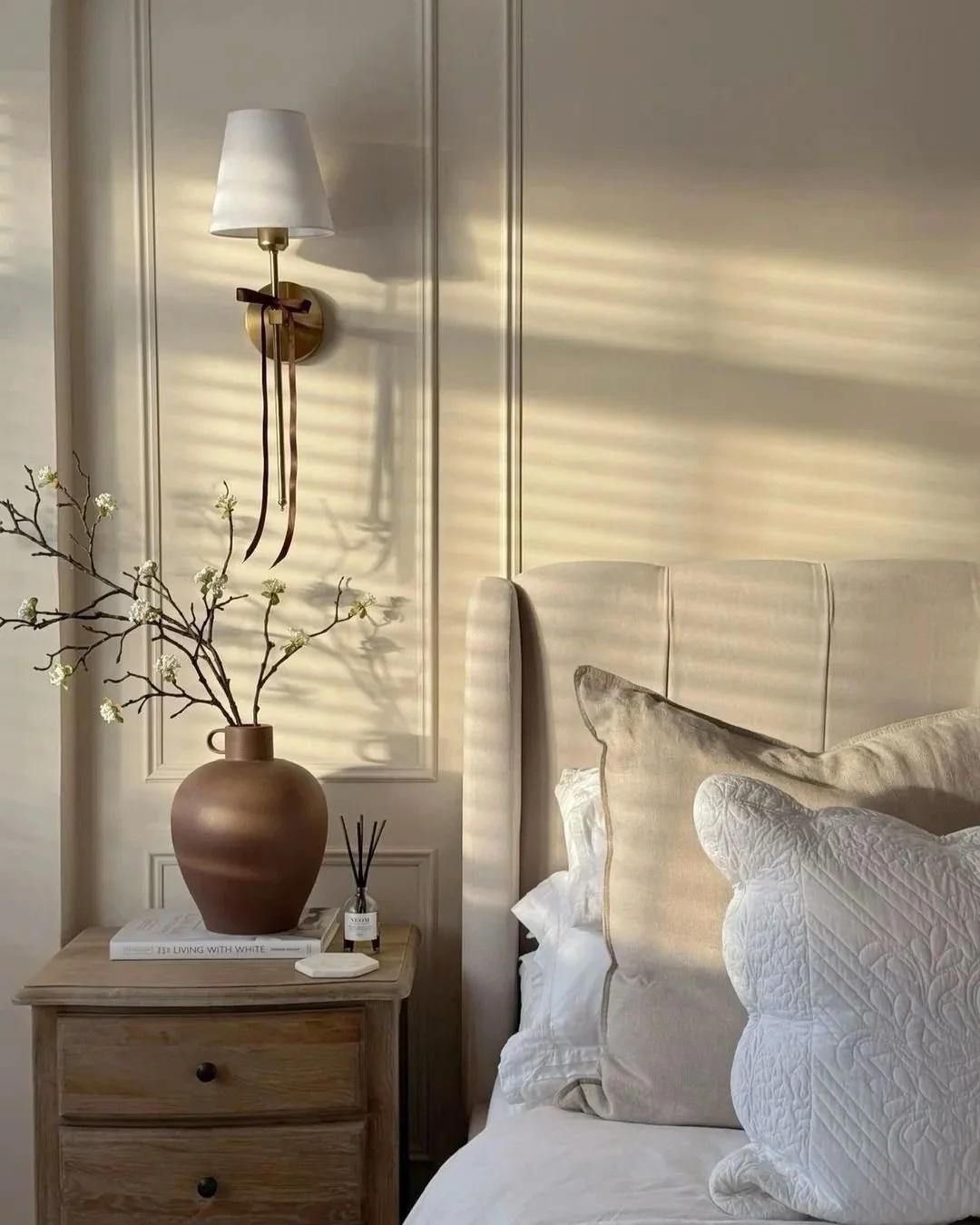
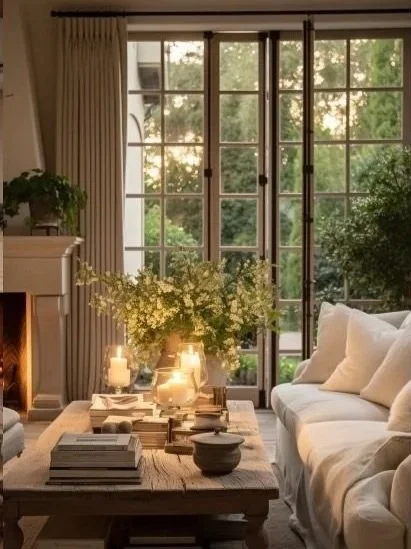
Natural light also brings a sense of honesty to a space. It reveals texture. It highlights imperfection in a way that feels human rather than exposed. A room filled with daylight feels alive — not styled, not static, but gently in motion as the hours pass.
Good design doesn’t attempt to control light completely. It allows it to move freely, to change, to soften and sharpen as it naturally does. When a home is designed with light in mind, it feels more generous, more settled, and more deeply connected to the way people live within it.
Light, after all, is not just something a home receives. It’s something a home should be designed to welcome.