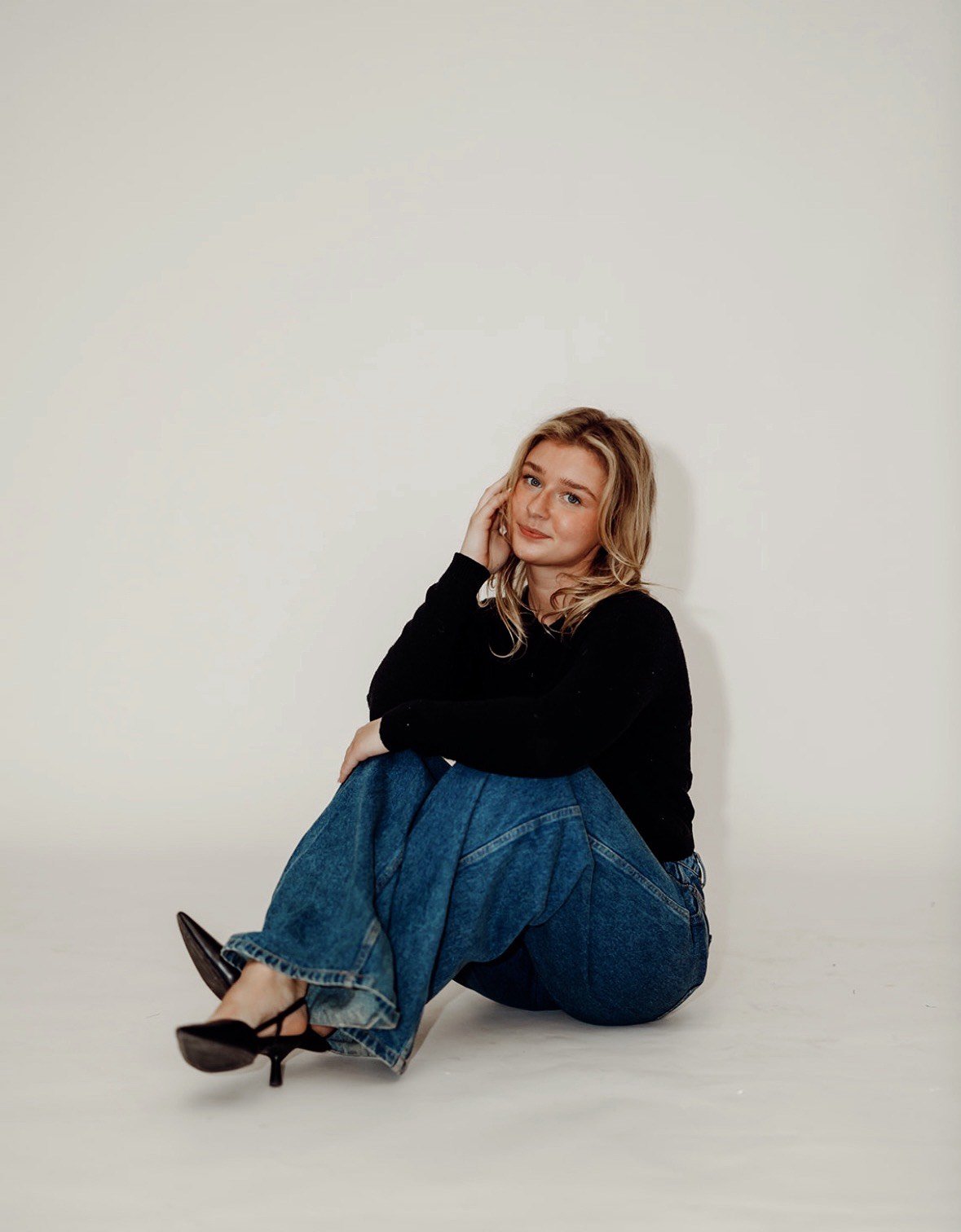
“Design is not about objects. It’s about people.”
- Ilse Crawford
Her Story
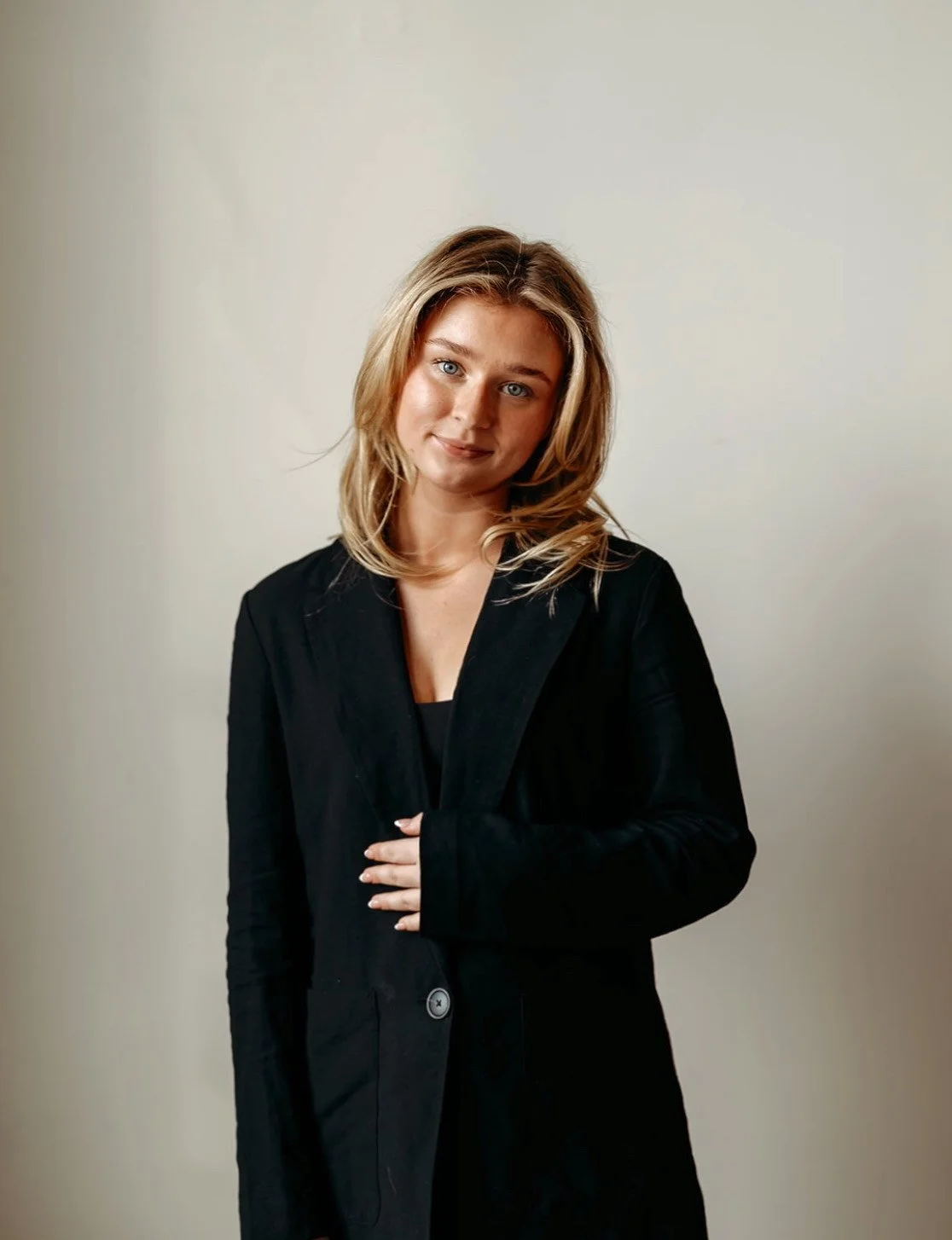
Violet Mae is an extension of principal designer Elizabeth Kudick, shaped by experience both personal and professional. Her path into design began in 2016, when her family home was unexpectedly lost to a fire. At a formative age, Elizabeth was closely involved in the home’s reimagining, working alongside architects and designers as it was thoughtfully rebuilt.
That early experience formed a lasting understanding of how deeply our surroundings influence our sense of self, comfort, and well-being.
Elizabeth earned her Bachelor’s degree in Interior Architecture from the University of Wisconsin–Stevens Point and went on to refine her practice at Inspired Spaces, one of the state’s leading residential design firms. There, she contributed to high-level projects and fully custom homes for discerning clientele.
These years of observation, collaboration, and craft now inform Violet Mae — a studio defined by intuition and confidence, guided by a considered approach to creating homes that feel as intentional as they are lived in.
A Few Fun Facts
-
01 —
A quiet favorite: wallpaper. A thoughtful pattern adds depth, warmth, and just the right pop to a space.
-
02 —
After a long day in the studio, I unwind with my 90-pound German Shepherd, Bear — happiest when there’s a pup cup involved.
-
03 —
Violet Mae takes its name from my middle name, Violet, and the month I was born — May.
Our Values
(1) People First
Rather than a singular aesthetic, each project is shaped in response to individual lives, routines, and preferences. Our work spans a wide range of styles and needs, guided by discernment and an ability to adapt without losing intention
Trends come and go, but a home should not. We design with longevity in mind, favoring thoughtful decisions that age with grace.
(2) Thoughtful, Not Trendy
(3) Design for Living
What purpose does beauty serve if it can’t be lived with, or if it resists the rhythms of daily life? We design for real, growing families, where form and function exist in conversation — creating homes that are as considered as they are livable.